
Common Mistakes People Make Before Starting a Big Project (And How to Avoid Them)
Starting a big project — whether it’s building, repairing, hauling, or excavating — is exciting. But before the machines roll in and the work begins, there’s a lot of planning that has to happen behind the scenes. Over the years, we’ve seen a few common mistakes that can lead to delays, extra costs, and unnecessary headaches. The good news? Most of them are completely avoidable.
Here are some of the biggest mistakes people make before a project starts — and how to set yourself up for success instead.
Mistake #1: Not Calling for Utility Locates
It’s easy to assume you know where everything is buried on your property — until you don’t.
Water lines
Gas lines
Power
Fiber
Septic
Drain lines
Hitting one of these underground utilities can be dangerous and expensive. Sometimes it even shuts neighborhoods or streets down. DLB calls Miss Utility before every project involving machine work to ensure all underground utilities are safely identified and protected.
Always get utilities marked before digging or grading. It protects you, your property, and the crew. It’s one of the most important first steps.
Mistake #2: Choosing the Cheapest Bid — Instead of the Right One
It’s completely natural to compare prices when you’re planning a big project. But sometimes the lowest bid isn’t actually the best deal — it’s just the least complete. A really cheap estimate may leave out important steps like proper base prep, erosion control, compaction, quality materials, or even cleanup. Those “missing” items eventually show up as extra costs, delays, or future repairs — and that’s when the job becomes far more expensive than it looked in the beginning.
Another thing to consider is experience, safety practices, and insurance. A contractor who is fully licensed, insured, trained, and using the right equipment will naturally cost more than someone cutting corners — but you’re also paying for protection, accountability, and quality workmanship. When something is being built into the ground, you want it done right the first time.
And when corners get cut in the ground… the problems show up later.
Compare:
✔ scope of work
✔ materials
✔ experience
✔ communication
✔ reputation
A fair price + quality work almost always costs less in the long run.
Mistake #3: Starting Without a Clear Plan
One of the biggest pitfalls we see is starting a project before all the details are thought through. It’s easy to get excited and want to get moving — but without a clear plan, even a simple job can turn into a complicated one. Things like drainage direction, final elevation, access for trucks and equipment, material choices, timelines, and what the finished product should look like all matter more than people realize.
When these details aren’t discussed ahead of time, you may end up with unexpected water runoff, soft or low areas, grading that doesn’t match surrounding ground, or work that has to be redone. That means extra time, extra cost, and extra frustration — all of which could have been avoided with proper planning.
Have a plan that covers:
✔ layout
✔ timeline
✔ drainage & runoff
✔ final finish expectations
A little planning upfront saves a lot of trouble later.
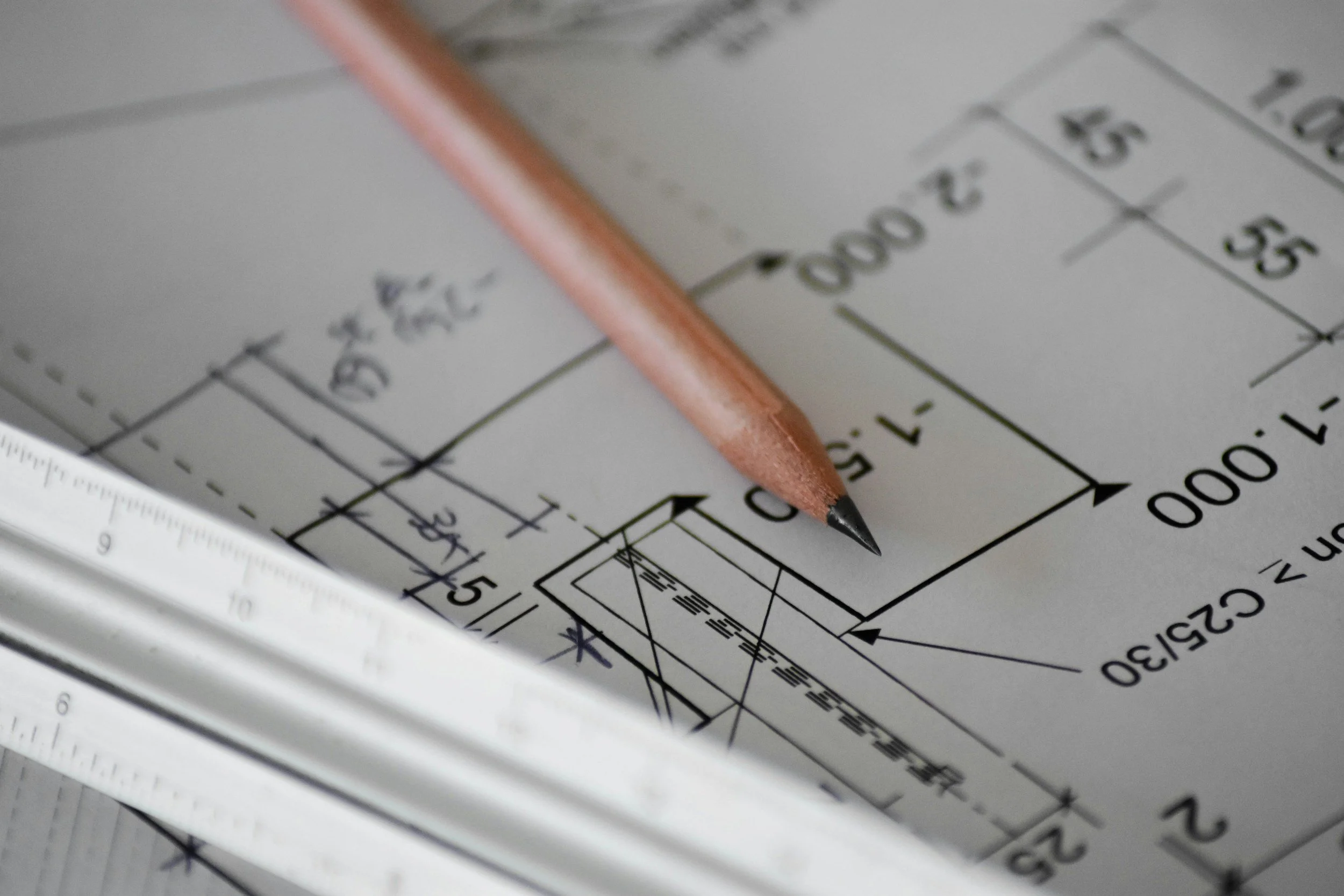
Mistake #4: Underestimating Drainage
Water is sneaky. If it doesn’t have somewhere good to go, it will always find its own path — and usually not in a way that helps your project. We see this all the time with driveways, ponds, yards, and construction sites. Poor drainage can lead to washouts, flooded areas, muddy ruts, soft or unstable ground, and even long-term foundation issues. The frustrating part is that many of these problems don’t show up right away — they appear after the first big rain, when it’s much harder (and more expensive) to fix.
That’s why drainage should be one of the first things planned, not an afterthought. Proper grading, correctly sized culverts, well-designed ditches, and erosion control measures help manage stormwater safely and protect the work that’s being done. When water is directed where it’s supposed to go, your project lasts longer, performs better, and gives you fewer headaches down the road. Good drainage protects your investment.
Mistake #5: Forgetting About Access for Equipment & Trucks
A great plan can fail fast if equipment can’t get where it needs to go. Tight corners, soft ground, low trees, and narrow entrances make working harder — and sometimes impossible.
Before the job starts, consider:
✔ truck turning space
✔ material delivery routes
✔ tree clearance
✔ stable ground
A little prep = smoother project.
Mistake #6: Not Asking Questions
It’s normal to feel unsure about a big project, but many people hesitate to ask questions because they don’t want to “bother” the crew or contractor. The problem is that uncertainty left unaddressed can quickly turn into confusion, delays, or mistakes on the job site. We’d much rather answer questions upfront than fix problems later. Clear communication from the beginning helps everyone stay on the same page and ensures the project goes smoothly.
Don’t be afraid to ask about timelines, what to expect day-to-day, how the work may impact your property, or what the finished result will look like. Talking through these details with your contractor not only gives you confidence but also allows the crew to plan efficiently, anticipate potential issues, and deliver the best possible outcome. Simply put: good communication equals good projects.

When you work with DLB, you can feel confident that every detail is handled the right way. We make sure all underground utilities are marked before any machine work begins, so your property and our crews are protected. We take the time to answer your questions and make sure you fully understand the project from start to finish. Drainage and site planning are carefully considered, estimates are honest and complete, and operations are organized to keep the project running smoothly. The result is a professional, high-quality job done right the first time — giving you peace of mind and a finished project you can rely on.