
Choosing the Right Trailer for Your Load: A Guide to DLB’s Hauling Options
When it comes to transporting construction materials, equipment, and oversized loads, choosing the right trailer matters. The size, weight, dimensions, and type of your load all play a role in determining which hauling option is the best fit.
At David L. Brooks Hauling & Excavating, LLC, we offer multiple hauling options to help contractors, businesses, quarries, and property owners get their materials and equipment where they need to go.
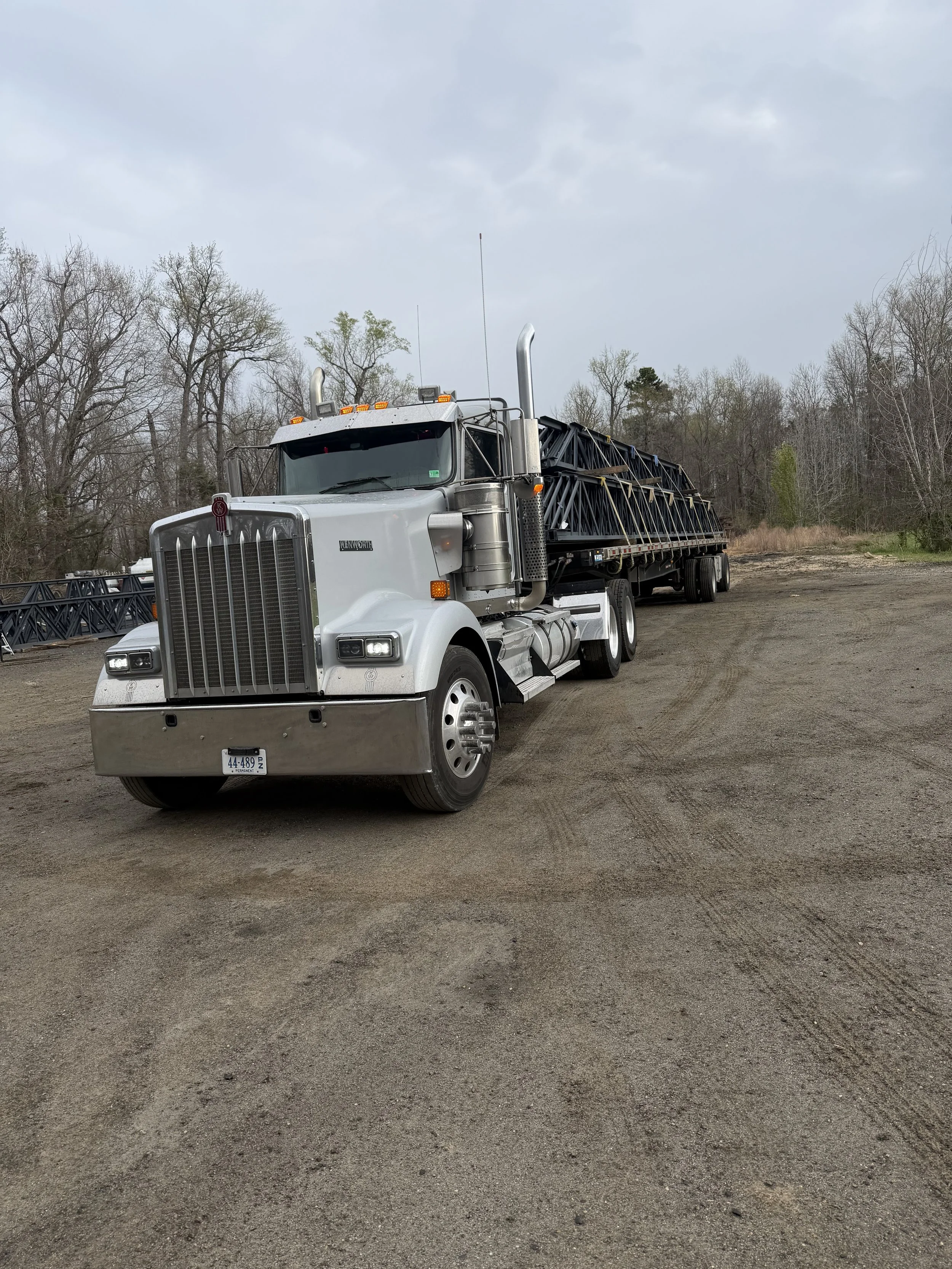
🚚 Flatbed Trailers
Flatbeds provide an open deck, making them ideal for loads that cannot be easily loaded into an enclosed or dump-style trailer.
Flatbeds are commonly used for:
Lumber
Steel
Pipe
Building materials
Construction equipment
Palletized materials
Long or oversized loads
DLB offers multiple flatbed configurations and deck lengths to accommodate different types of freight.
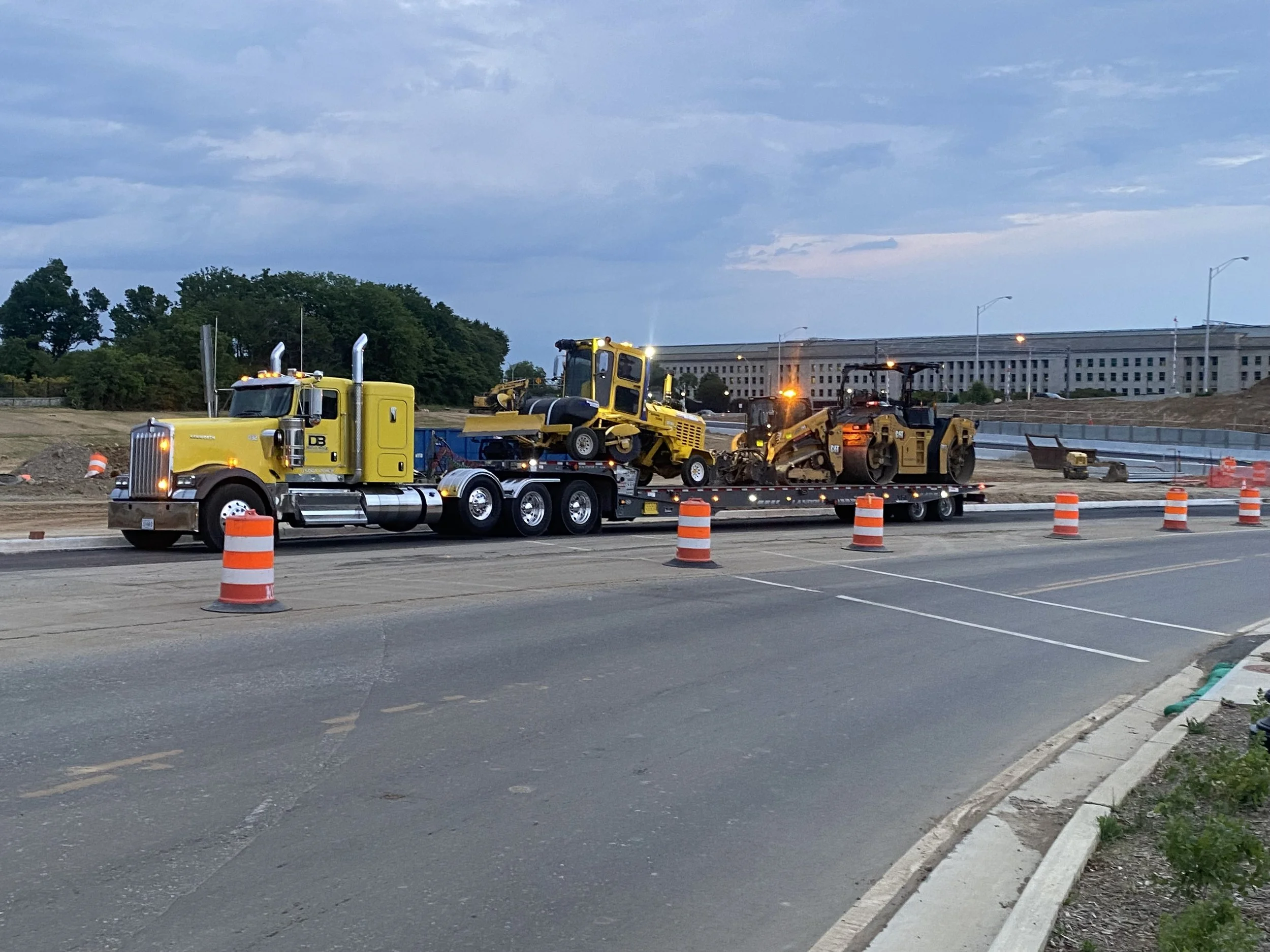
⚙️ Landoll Trailers
Landoll trailers are designed to transport heavy equipment while providing the flexibility needed for loading and unloading.
They are commonly used for equipment such as:
Excavators
Skid steers
Loaders
Dozers
Construction machinery
Other heavy equipment
For contractors moving equipment between job sites, having the right trailer can make the process much easier and more efficient.
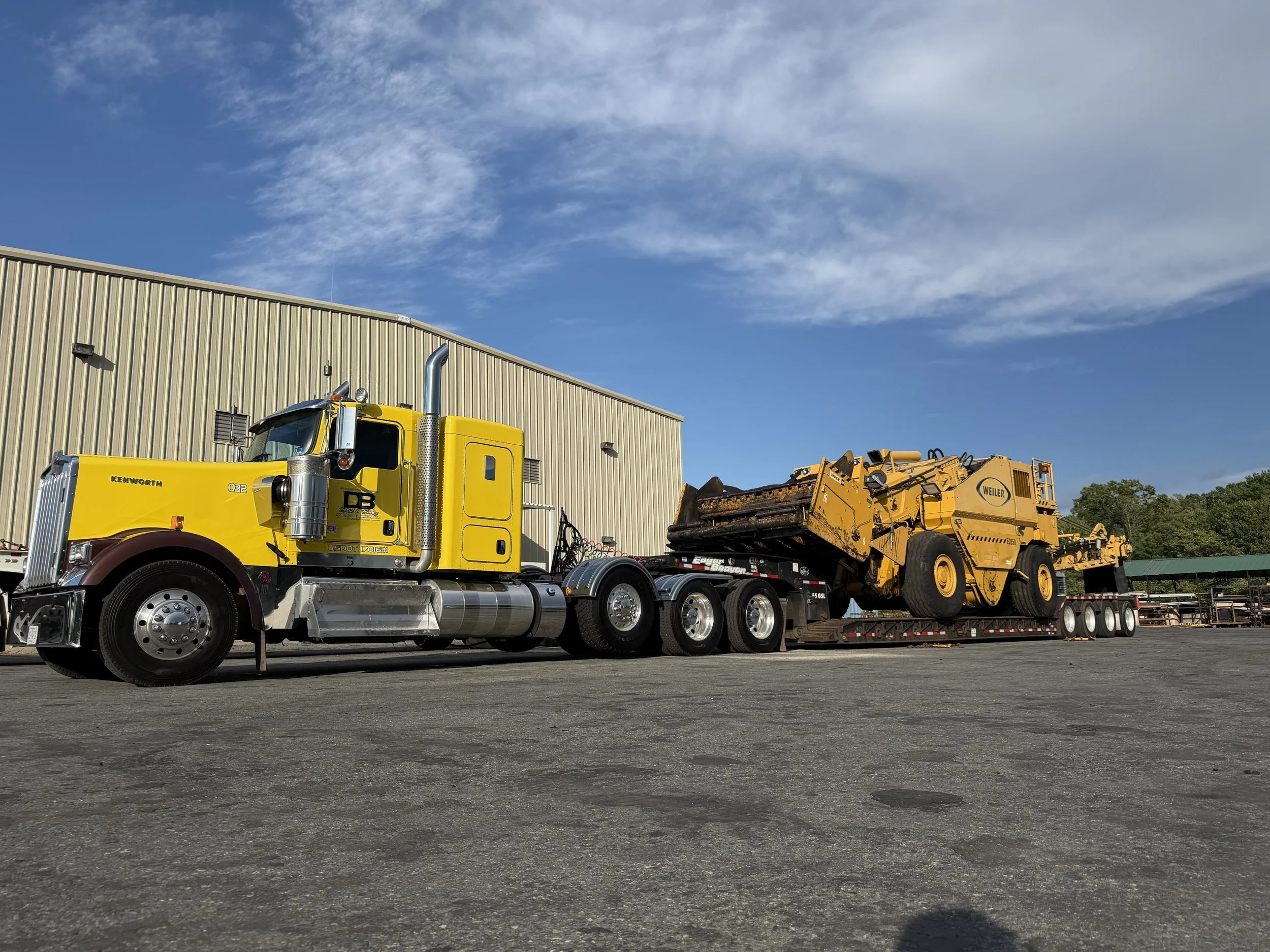
🚜 Lowboy Trailers
When it comes to moving larger and heavier construction equipment, a lowboy can be the right choice.
Lowboys are designed with a lower deck height, allowing taller equipment to be transported while maintaining proper overall height. They are commonly used for large excavators, dozers, loaders, and other heavy construction equipment.
Because heavy and oversized loads may require special permits and routing, DLB works with the requirements of each individual haul to determine the appropriate transportation setup.
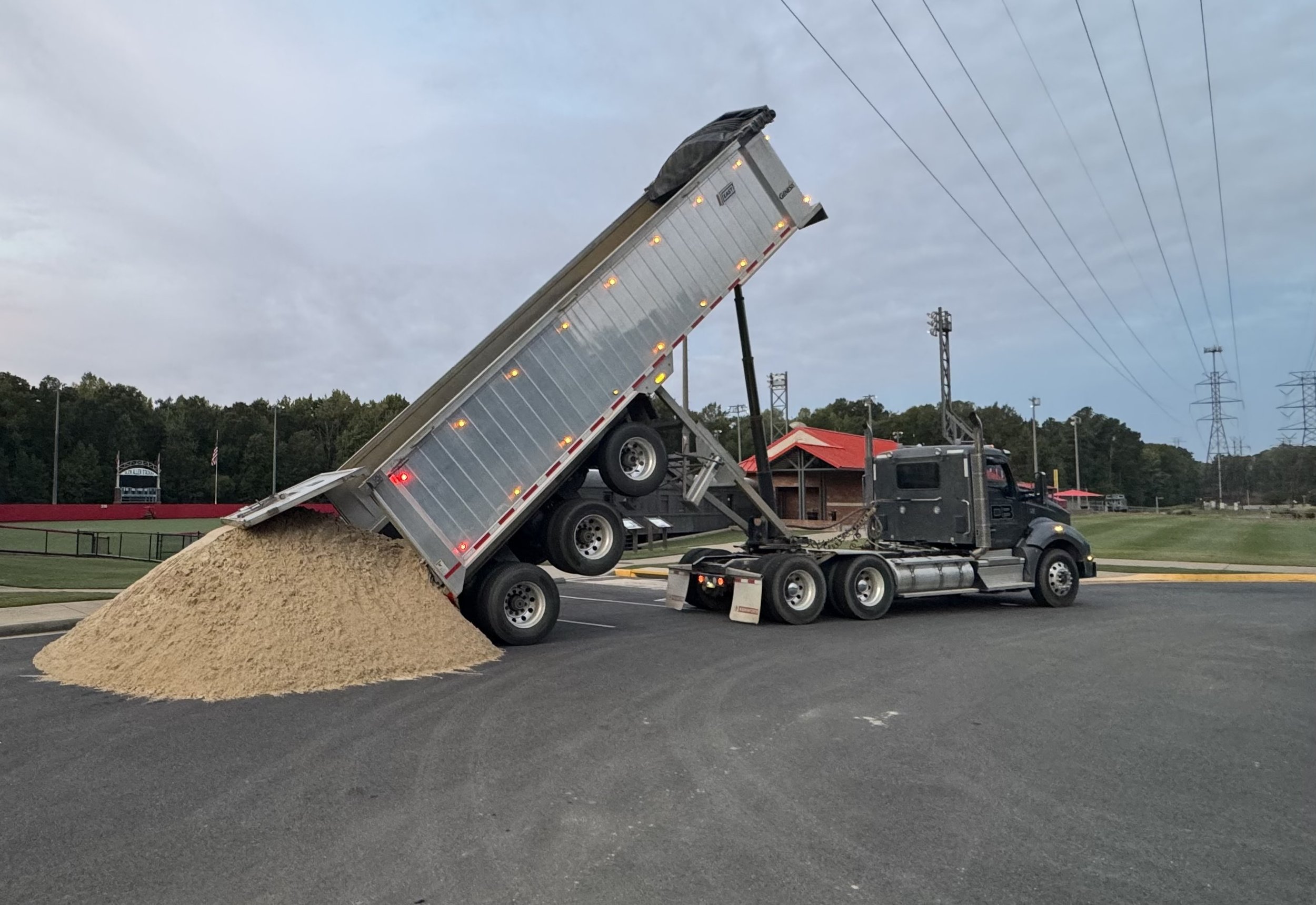
Dump Trailers are separate trailers pulled by a truck tractor. This setup can provide additional hauling capacity and flexibility depending on the trailer and load.
Why Does the Difference Matter? Truck Vs. Trailer
The difference between a dump truck and a dump trailer can affect capacity, maneuverability, jobsite access, loading and unloading, and overall hauling costs.
A smaller or more confined jobsite may be better suited for a dump truck because of its maneuverability. Larger projects requiring substantial quantities of material may benefit from a dump trailer setup.
The type and weight of the material, distance to the jobsite, road conditions, access, and number of loads needed can all play a role in determining which option makes the most sense.
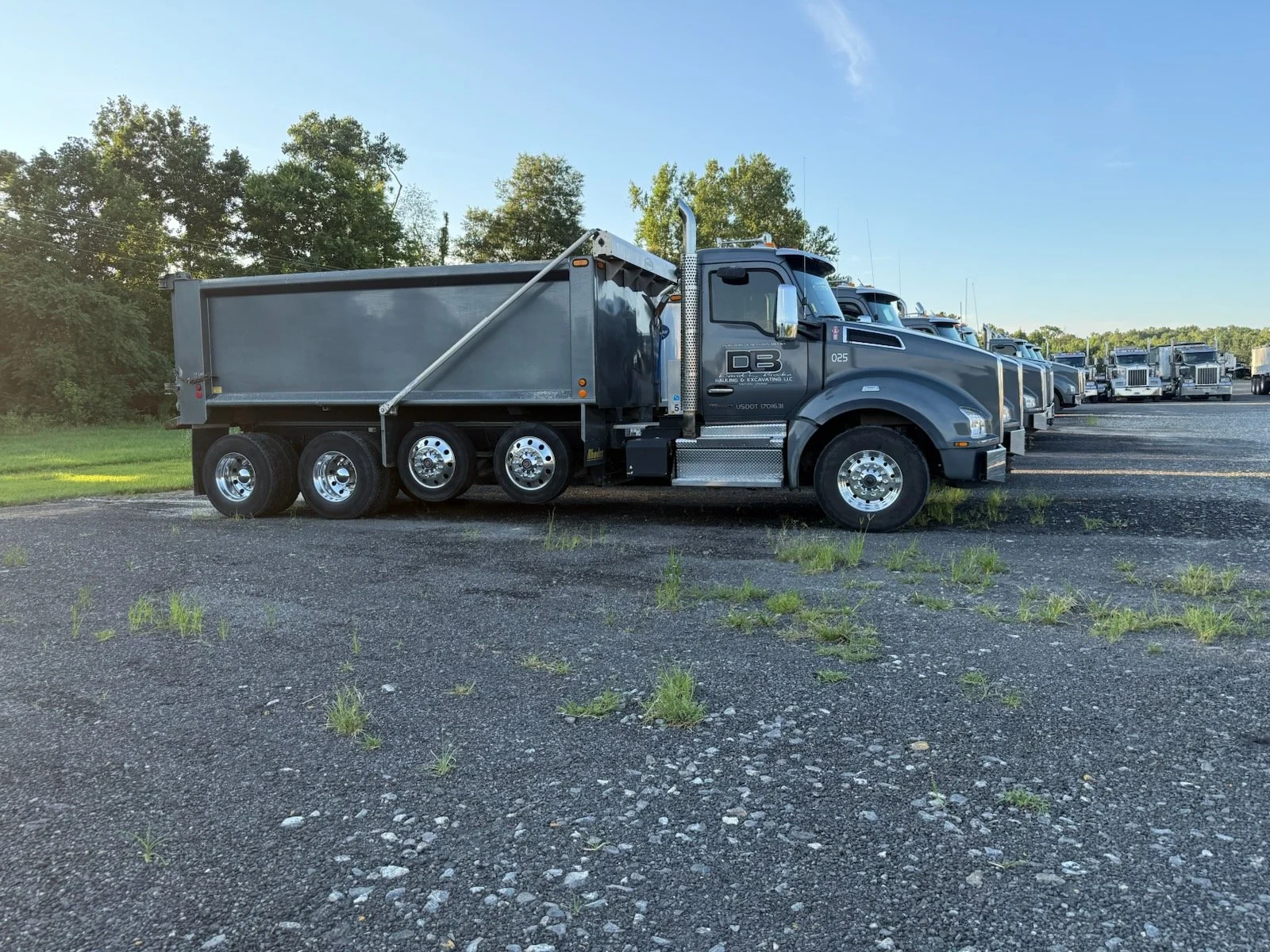
Dump Trucks are a single vehicle with the dump body permanently mounted to the truck. They are commonly used for hauling:
Gravel and stone
Dirt and topsoil
Sand
Asphalt
Quarry materials
Construction debris
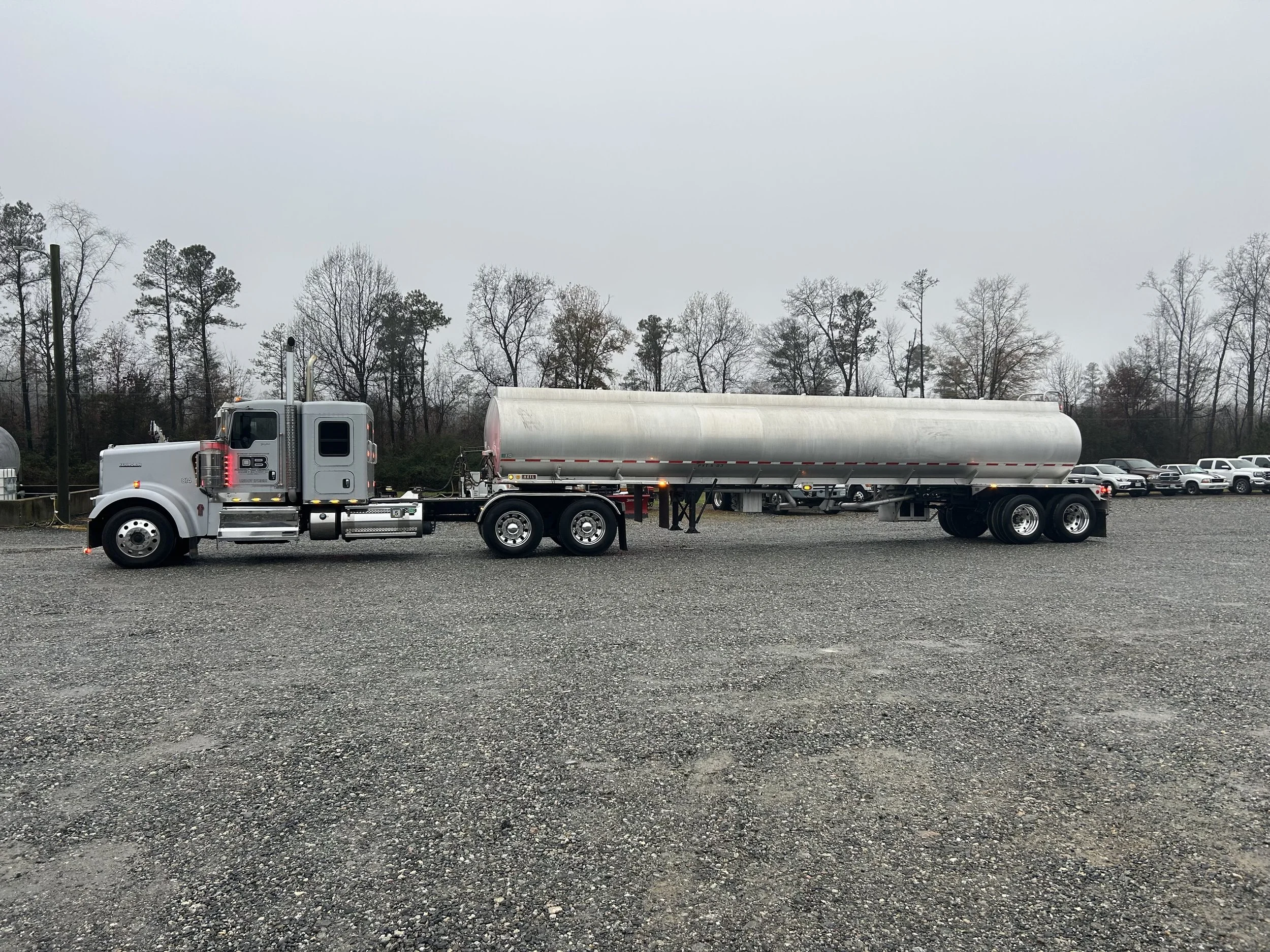
💧 Tanker Services
Not every hauling job involves solid materials or equipment. DLB also offers Heil tanker capabilities for applicable liquid-material transportation needs.
Tanker hauling requires specialized equipment and proper planning to ensure the material is transported safely and efficiently.
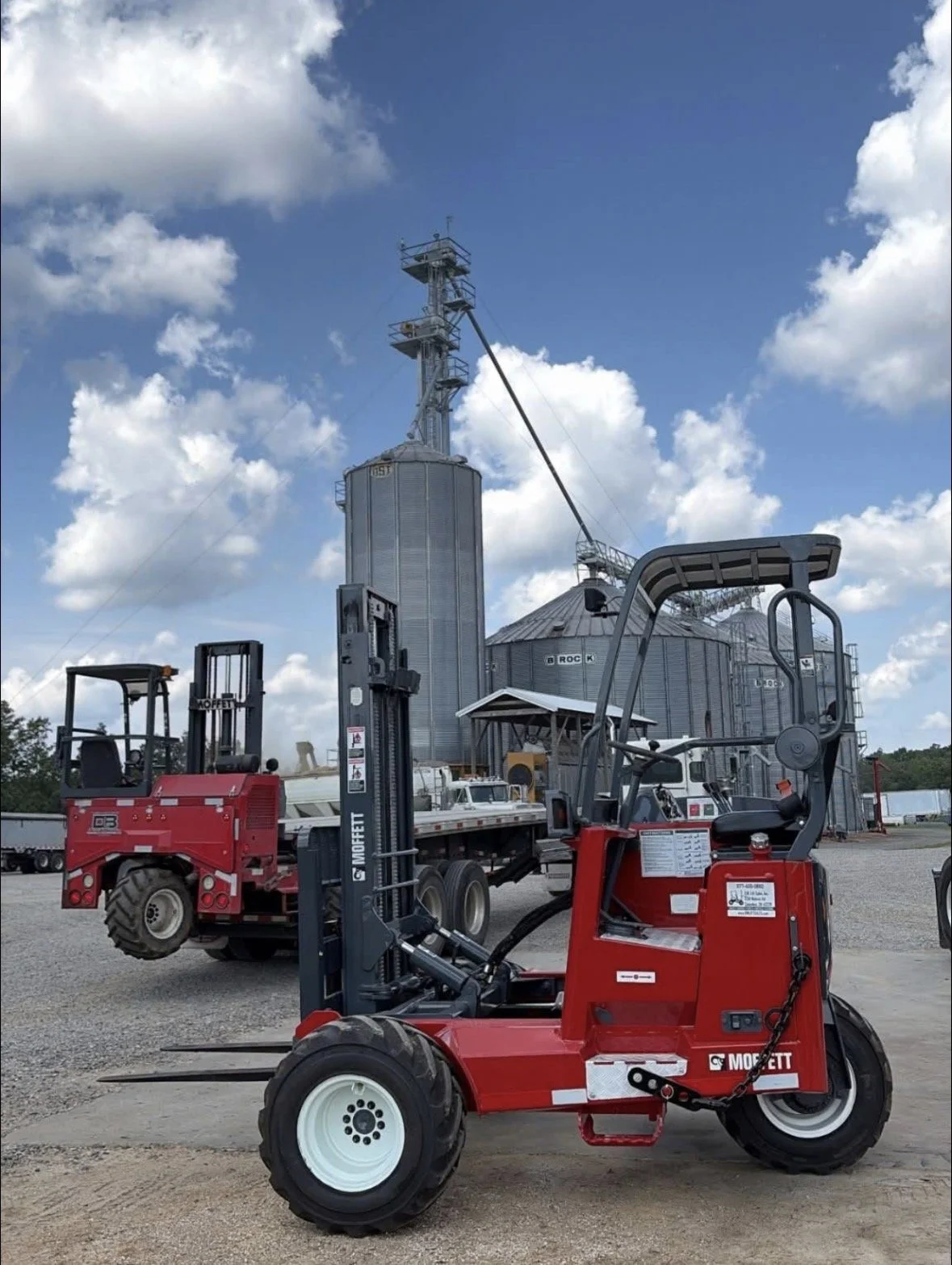
🏗️ Moffett Truck-Mounted Forklift Hauling
Sometimes getting the material to the jobsite is only half the job. Getting it off the truck and exactly where it needs to go can be just as important.
Why Knowing the Difference Matters
Choosing the right trailer isn't just about getting your load from Point A to Point B. The wrong trailer can create unnecessary delays, added costs, loading challenges, clearance issues, or even make a load impossible to transport safely and legally.
Different trailers and loads can also require specific hauling qualifications, certifications, permits, or experienced operators. Depending on what is being transported, the load’s weight and dimensions, and where it is traveling, additional requirements may apply.
For example, oversized and heavy equipment moves may require specific permits, approved routes, and specialized knowledge of weight and clearance requirements. Tanker work can involve additional requirements because of the type of material being transported. Even seemingly straightforward loads need to be evaluated to ensure the appropriate equipment, driver qualifications, and transportation requirements are met.
Understanding the differences among an end dump, flatbed, step deck, Landoll, lowboy, and tanker helps ensure your load is matched with the proper equipment and hauling capabilities.
At DLB, we understand that every load is different. Our team can review the details of your haul and help determine the appropriate equipment, requirements, and hauling solution for the job.
The right load on the right trailer with the right team makes all the difference.